

Planning a Nashville to Gatlinburg day trip takes some math. The distance is real, and timing matters more than people expect. This guide breaks down the route, the best stops, and how to budget your hours across the day. You will learn what to expect at Great Smoky Mountains National Park. You will also learn the drive time between cities and where to pause along the way. Whether you plan a full day or a weekend getaway, this guide keeps your trip on schedule from Music City to the Smokies.
How Far Is Nashville From Gatlinburg?
The distance from Nashville to Gatlinburg is approximately 220 miles. The drive typically takes about 3.5 to 4 hours under normal traffic conditions. This makes a single-day round trip possible, though a long one. Nashville sits in the Central Time Zone. Gatlinburg sits in the Eastern Time Zone. Drivers traveling from Nashville to Gatlinburg cross from Central to Eastern Time near the Tennessee River corridor. Add an hour to your clock once you cross that line. Otherwise your arrival estimate will run short.
The Fastest Route To Gatlinburg
The main and fastest route to Gatlinburg is via Interstate 40 East. This scenic route runs through rolling hills and East Tennessee farmland before reaching Sevier County. Most drivers stay on I-40 for the bulk of the trip, then exit toward Pigeon Forge and Gatlinburg on the final stretch. Traffic can be heavy on TN-66 through Sevierville during peak tourist seasons. Summer weekends and holiday weekends see the worst delays near this stretch of road. Travelers can expect significant traffic delays during weekends and holidays, especially close to Pigeon Forge and the park entrance.
Alternate Routes Worth Considering
Some travelers choose to split the drive into smaller legs instead of one long stretch. Stopping in Cookeville or Crossville breaks up the miles. It also adds flexibility if weather or traffic shifts along the way. Checking a live traffic map before leaving Nashville helps avoid the worst backups near Knoxville during rush hour. Travelers heading out on a Friday afternoon should expect the heaviest congestion of the week on this stretch of I-40.
Good Stops Between Nashville And Gatlinburg
A long drive benefits from a few planned stops. These breaks add variety without adding too much time to your total trip.
Burgess Falls State Park
Burgess Falls State Park is located about 1.5 hours outside Nashville and features waterfalls. The park offers short hiking trails leading to several scenic overlooks above the falls. This stop works well for families who want a quick outdoor break before continuing east toward the mountains.
Cumberland Caverns
Cumberland Caverns sits near McMinnville, a short detour off the main route. Guided tours take visitors through one of Tennessee’s longest cave systems, with formations that took thousands of years to form. This stop adds an underground adventure to an otherwise above-ground road trip, and works well for travelers who enjoy something different from typical roadside stops.
Market Square In Knoxville
Market Square in Knoxville provides a vibrant downtown experience with local boutiques and outdoor seating. Travelers looking for lunch or a walk often stop here before finishing the last stretch toward the mountains. The square sits close enough to the interstate to add only a short detour to your total drive time.

Buc-ee’s Off I-40
Buc-ee’s is a popular convenience store located off I-40 at Exit 320. This stop offers a large selection of snacks, restrooms, and fuel. It makes a practical break for families on a long drive. Many travelers plan their fuel stops around this location since options thin out closer to the mountains.
What To Expect In Downtown Gatlinburg
Downtown Gatlinburg greets visitors with log cabin-style shops and art galleries lining the main strip. The area stays walkable, with restaurants and attractions close together. Parking once and exploring on foot works well for most visitors during a short stop. Local shops sell everything from handmade crafts to Tennessee whiskey and fudge. Many restaurants line the same stretch of road near the river, ranging from quick counter service to sit-down dining with mountain views. The Gatlinburg SkyLift features the longest pedestrian suspension bridge in North America. This attraction offers panoramic views over the town and surrounding mountains. It makes a popular first stop for many visitors before heading into the park itself.
Great Smoky Mountains National Park Basics
Great Smoky Mountains National Park is the most visited national park in the country. It opened on June 15, 1934, and has drawn visitors ever since. The park covers over 800 square miles of protected land, making it one of the largest protected wilderness areas in the eastern United States. Unlike many national parks, there is no traditional park entrance fee here. Visitors do need a parking tag for vehicles staying more than 15 minutes at most locations inside the park. According to the National Park Service, tags cost $5 for a day, $15 for a week, or $40 for an annual pass. Rangers check for this tag at popular trailheads and overlooks.
Sugarlands Visitor Center: Your First Stop
The Sugarlands Visitor Center offers access to park trails and activities. This is often the first stop for visitors entering from the Gatlinburg side of the park. Rangers here can answer questions and point out current trail conditions before you head deeper into the mountains. The center also sells parking tags and offers restrooms, making it a natural first stop after leaving downtown Gatlinburg.
Cades Cove: The Park’s Most Popular Drive
Cades Cove is a popular scenic drive in the Smokies. This 11-mile loop passes historic buildings and open meadows that once held farming communities. Wildlife sightings, including deer and black bears, are common along this route, especially near dawn and dusk. Cades Cove is the most popular attraction in the park. The loop can take one to two hours to drive. Traffic backs up quickly during peak wildlife viewing times in early morning or evening, so arriving early helps avoid long lines of cars.
The Foothills Parkway Scenic Drive
The Foothills Parkway is a 33-mile scenic drive along the edge of the Smokies. This route offers sweeping mountain views without the crowds found inside the main park boundaries. Several overlooks along the parkway give travelers a chance to stop, stretch, and take photos without needing to hike. Fall foliage season brings some of the best color along this drive, typically peaking in late October. Clear days offer visibility stretching across multiple mountain ridges, making this a favorite stop for photographers.
Kuwohi (Formerly Clingmans Dome): The Highest Point In The Smokies
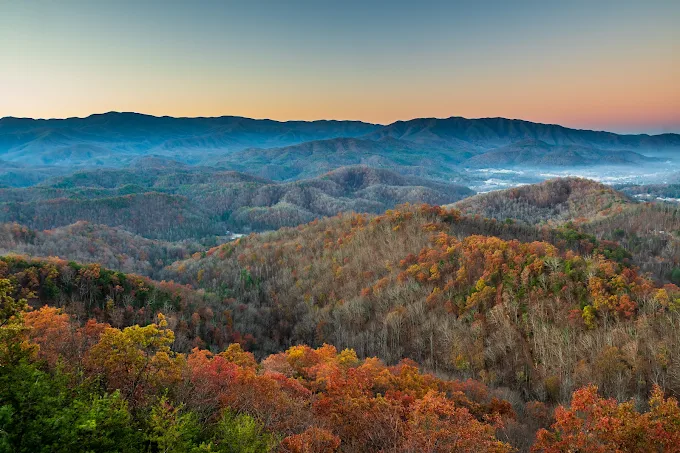
The highest point in the Smokies is Kuwohi, formerly known as Clingmans Dome, at 6,643 feet. The mountain’s Cherokee name was officially restored in September 2024. A steep, paved trail leads to an observation tower at the summit, and the climb takes most visitors 30 to 45 minutes round trip. On clear days, views stretch across several states from the top of the tower. Mountain weather can change quickly here, so checking local conditions is advised before heading up. Temperatures at higher elevations often run 10 to 20 degrees cooler than in Gatlinburg or Pigeon Forge, so pack a light jacket even in summer. Kuwohi Road closes to vehicles from December 1 through March 31 each year due to snow and ice. The observation tower itself stays accessible during this window only by hiking, biking, or skiing in from other trailheads.
Cataloochee Valley: A Quieter Alternative
Cataloochee Valley offers a quieter alternative to Cades Cove. This remote section of the park sees fewer visitors. It makes a good choice for travelers who want fewer crowds and more solitude. Elk sightings are common in this valley, particularly during early morning and evening hours. The drive in requires a bit more time on gravel roads, which keeps casual visitors away and rewards those who make the trip.
Pigeon Forge: Family Attractions Near The Park
Pigeon Forge sits just outside Gatlinburg, offering theme park rides, shows, and family-friendly attractions along its main strip. Many day-trip itineraries combine a morning in the national park with an afternoon in Pigeon Forge, splitting the day between nature and entertainment. The Pigeon River runs through this area, offering rafting and tubing options during warmer months. Families often add a short stop here between park visits and dinner, since restaurants and parking are easier to find than in downtown Gatlinburg during peak season.
Building A Full-Day Itinerary
A full day trip from Nashville to Gatlinburg requires careful timing from the moment you leave. Here is one way to structure the hours.
Morning: The Drive East
Leave Nashville early, ideally before 7 a.m. This gives you time to reach the Smokies before midday crowds build near popular trailheads and scenic overlooks.
Midday: Park Time
Spend late morning through early afternoon inside Great Smoky Mountains National Park. Cades Cove or Kuwohi each work well as a midday anchor point for the trip.
Afternoon And Evening: Gatlinburg Or Pigeon Forge
Wrap up the day in downtown Gatlinburg or Pigeon Forge. Dinner, shopping, and a walk through town make a good close to a long day on the road.
Weekend Getaway Vs. Single-Day Trip
A single-day trip covers a lot of ground but leaves limited time inside the park itself. A weekend getaway allows a more relaxed pace. Guests get time for hiking, wildlife viewing, and exploring both Gatlinburg and Pigeon Forge without rushing between stops. Families with young children often benefit from an overnight stay, since this breaks up the long drive and avoids rushing through the park in a single afternoon. A two-day trip also leaves room for a second scenic drive, such as pairing Cades Cove one day with the Foothills Parkway the next.

Best Time Of Year To Visit
Spring brings wildflowers and milder crowds compared to summer. Summer offers the warmest weather but also the heaviest traffic near Pigeon Forge and Sevierville. Fall draws large crowds for foliage season, especially through late October, so early arrival matters most during this window. Winter sees the fewest visitors, though some higher-elevation roads may close temporarily during snow or ice. Each season changes the pace of a day trip, so matching your travel dates to your priorities, whether that means fewer crowds or peak color, helps set expectations before you leave Nashville.
Why A Private Ride Makes This Trip Easier
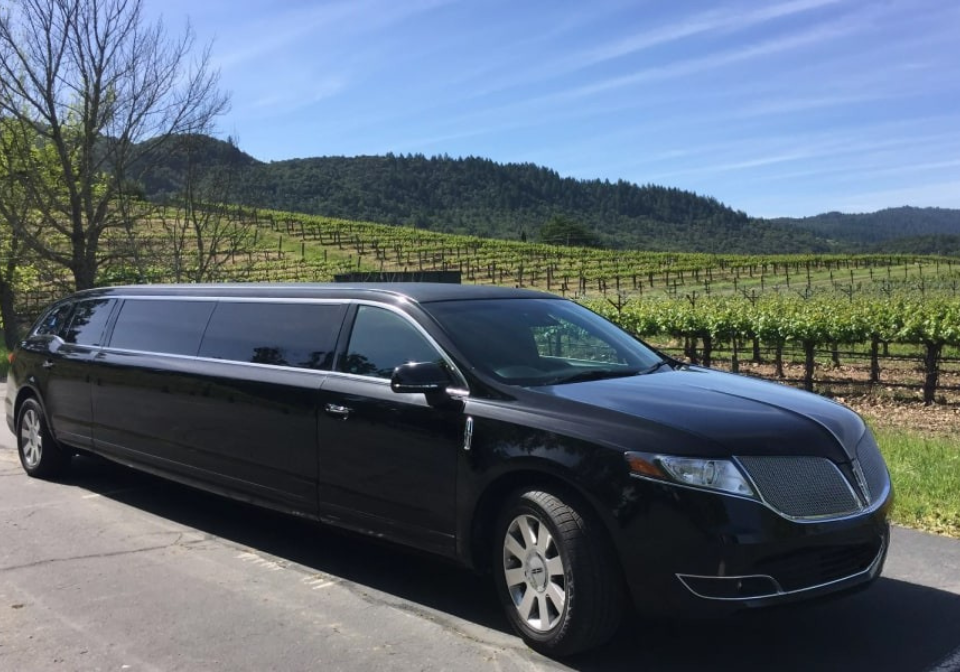
A private car service removes the stress of navigating unfamiliar mountain roads after a long day of sightseeing. Ravands Private Rides offers transportation from Nashville to Gatlinburg, letting travelers relax during the drive instead of managing traffic and directions themselves. A well maintained vehicle adds comfort during a multi-hour drive, especially for families traveling with children or larger groups heading to the mountains together. This option also removes the need for a designated driver on the return trip after a long day of hiking and sightseeing. Groups heading to Gatlinburg for a wedding, reunion, or weekend getaway often find that one vehicle keeps everyone together instead of splitting into multiple cars for the drive.
Frequently Asked Questions
How Far Is Nashville From Gatlinburg?
Nashville sits approximately 220 miles from Gatlinburg. The drive typically takes 3.5 to 4 hours under normal traffic conditions. Most of the route follows Interstate 40 East through East Tennessee. Travelers should budget extra time during summer weekends and holiday periods, when traffic near Sevierville and Pigeon Forge tends to slow significantly, sometimes adding 30 minutes or more to the trip.
What Is The Best Route From Nashville To Gatlinburg?
The fastest and most direct route from Nashville to Gatlinburg follows Interstate 40 East. This scenic route passes through East Tennessee before reaching Sevier County near the park entrance. Drivers then exit toward Pigeon Forge and continue into downtown Gatlinburg. This path avoids unnecessary detours while still passing several worthwhile stops, including Burgess Falls State Park and Cumberland Caverns.
How Many Days Do You Need For Great Smoky Mountains National Park?
A single day allows time for one major scenic drive, such as Cades Cove, plus a stop at an overlook like Kuwohi. A weekend allows a more relaxed pace, with time for hiking and wildlife viewing across multiple areas of the park. Families or first-time visitors often benefit from at least two full days to see the highlights without rushing.
Do You Need A Parking Tag For Great Smoky Mountains National Park?
Yes, vehicles parked for more than 15 minutes at most locations inside the park need a parking tag. The park itself does not charge a traditional entrance fee like many other national parks across the country. Tags cost $5 for a day, $15 for a week, or $40 for an annual pass, according to the National Park Service. This fee system helps fund trail maintenance and visitor services throughout Great Smoky Mountains National Park, and tags are available at visitor centers or online in advance.
What Is The Best Time To See Fall Foliage Near Gatlinburg?
Fall foliage near Gatlinburg typically peaks in late October, though exact timing shifts slightly each year based on weather patterns. Higher elevations, including areas near Kuwohi and the Foothills Parkway, often show color changes earlier than valleys closer to downtown Gatlinburg and Pigeon Forge. Visiting on a weekday during this window helps avoid the heaviest crowds and traffic.
Plan Your Nashville To Gatlinburg Trip Today
A Nashville to Gatlinburg day trip covers real distance and real beauty. Planning your stops and timing in advance makes the drive easier and more enjoyable for the whole group. Ravands Private Rides offers reliable transportation for this route, so you can focus on the mountains instead of the miles. Contact Ravands Private Rides to plan your trip to the Smokies.